Big Island Volcano Tour Logo
English| USD
Suggested for you
More currencies
Book Now
Open today · 00:00–23:59

Big Island Volcano Tour

Big Island Volcano Tour — Kīlauea, Lava Tubes & Active Craters

Walk the rim of a living caldera, descend into ancient flows

4.9 /5 · 2,400 reviews
25K+ travelers chose this
Free Cancellation
Right now: Moderate — autumn shoulder season Check air quality alerts before arrival.
6-8 hours
1 Languages
12-15 guests max
Free Cancellation
Free cancellation Instant confirmation Mobile voucher Verified partner Book now, pay later
354K+ acres
Park Size
Total protected land area
1.4M+
Annual Visitors
Based on recent data
13.6K ft
Summit Elevation
Height of Mauna Loa
210K+ yrs
Volcano Age
Estimated age of Kīlauea
1916
Established Year
Year park was created
Choose your ticket

Big Island Volcano tickets at a glance

Compare fares, pick the fit — all bookings are mobile-voucher and eligible for free cancellation where shown.

Big Island Volcanoes, Waterfalls & Coffee Farm Adventure 11 hr
Guided Experience

Big Island Volcanoes, Waterfalls & Coffee Farm Adventure

4.9 (478)
$276
  • Expert local guide
  • Small group
  • Skip-the-line access
  • Free cancellation
Book this ticket
Big Island Volcano & Stargazing Tour with Dinner 12 hr
Guided Experience

Big Island Volcano & Stargazing Tour with Dinner

4.8 (195)
€269
  • Expert local guide
  • Small group
  • Skip-the-line access
  • Free cancellation
Book this ticket
Compare options

Compare Big Island Volcano ticket options

Experience DurationRatingLunchGuideSmall groupFree cancel. Price
Standard Entry
Most popular
Night Manta Ray Snorkel Adventure
2 hr 30 min★ 4.9 $122 Book →
Guided Experience
Big Island Volcanoes, Waterfalls & Coffee Farm Adventure
11 hr★ 4.9 $276 Book →
Guided Experience
Big Island Volcano & Stargazing Tour with Dinner
12 hr★ 4.8 €269 Book →

Is a Big Island Volcano Tour Worth the Cost?

Worth it for geology enthusiasts and nature lovers

The $30 entrance fee covers seven days of access to one of Earth's most active volcanic landscapes, making any big island volcano tour exceptional value for those who want to witness raw geological processes. The park spans 335,259 acres across multiple ecosystems—from the Kīlauea caldera and Halemaʻumaʻu crater to ancient lava tubes, steam vents, and coastal lava flows. You gain access to over 150 miles of hiking trails, the Kīlauea Visitor Center with ranger-led programs, and the Jaggar Museum overlook. For visitors interested in volcanology, Hawaiian culture, or simply experiencing landscapes found nowhere else on the planet, the week-long validity and breadth of terrain deliver strong return on investment. Casual tourists seeking quick photo stops may find the expansive layout and hiking requirements more commitment than anticipated, but anyone willing to explore beyond the crater rim will discover why this UNESCO World Heritage Site justifies its reputation.

What makes it worth it

  • Seven-day validity maximizes exploration time
  • Over 150 miles of diverse hiking trails
  • Active volcanic features and lava flows visible
  • Educational ranger programs and visitor center included
  • UNESCO World Heritage Site geological significance

Keep in mind

  • Requires significant walking for best viewpoints
  • Limited facilities in remote sections
  • Volcanic activity can close key areas
  • Midday heat makes hiking challenging

Bottom line: Hawaii Volcanoes National Park tours deliver exceptional geological access that rewards the investment for anyone prepared to hike and explore beyond the parking lots.

Featured Experiences

Popular Big Island Volcano tours & activities

Hand-picked experiences loved by thousands of travelers

Recommended Experience

Powered by GetYourGuide

Another traveler favorite

Powered by GetYourGuide
Hawaii Volcanoes National Park and Hilo Discovery Tour 7 hours Free Cancellation

Hawaii Volcanoes National Park and Hilo Discovery Tour

Seven-hour journey from Kilauea's smoking crater to black sand beaches and rainbow-kissed waterfalls

4.9 (169)
FromFrom $189
See details
Hilo Volcanoes National Park Explorer 5 hours Free Cancellation

Hilo Volcanoes National Park Explorer

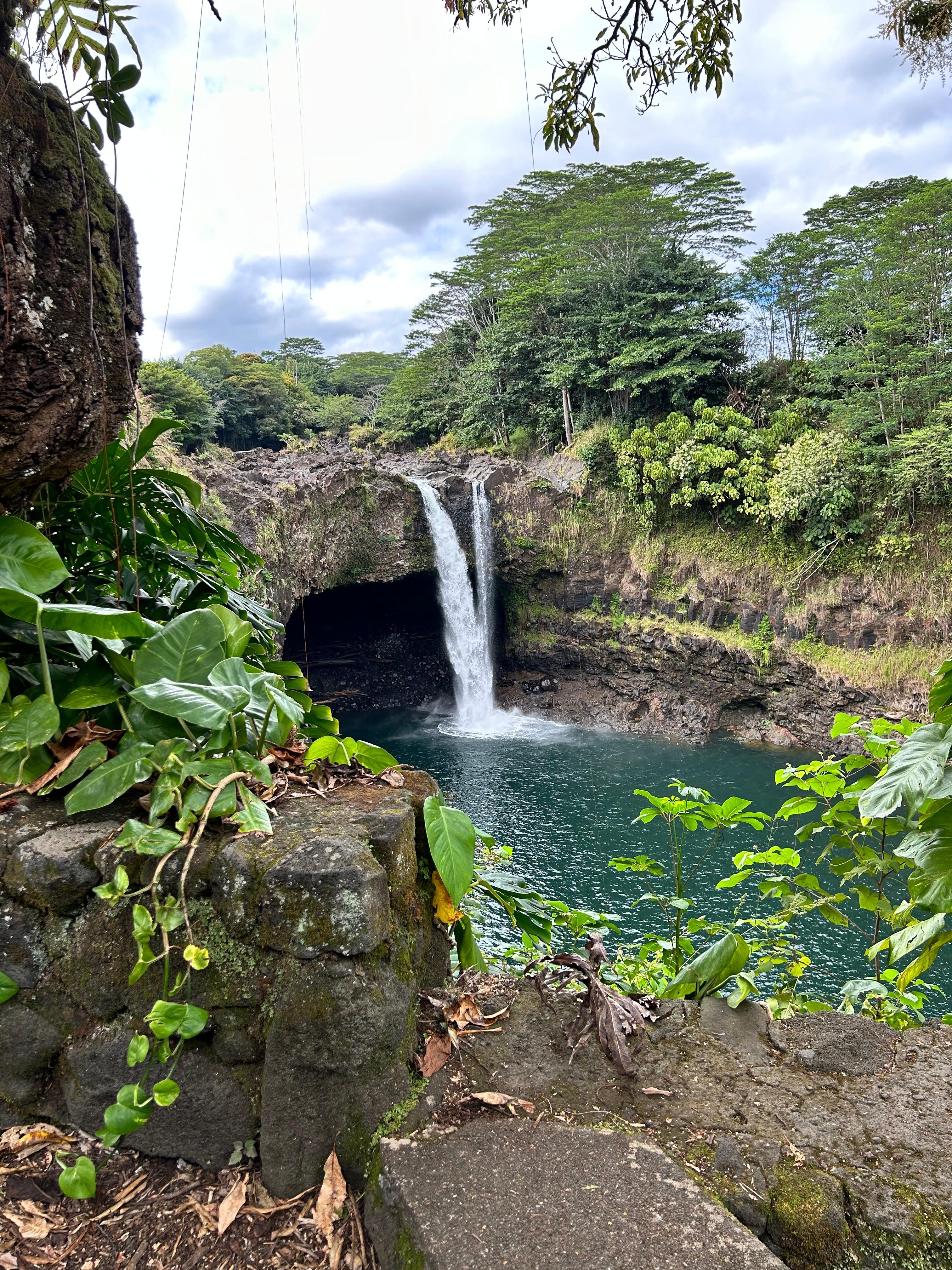
Journey through lava tubes, cascading waterfalls, and volcanic craters on this comprehensive Big Island adventure

4.9 (104)
FromFrom €164.86
See details
Big Island Volcano, Waterfalls & Beach Adventure from Hilo 7 hours Free Cancellation

Big Island Volcano, Waterfalls & Beach Adventure from Hilo

Seven-hour journey through volcanic landscapes, rainforest roads, and black sand beaches with lunch

5 (65)
FromFrom €173.58
See details
Big Island Volcano & Black Sand Beach Adventure 7 hours Free Cancellation

Big Island Volcano & Black Sand Beach Adventure

Seven-hour journey from Kilauea's volcanic crater to sea turtle beaches, with lunch included

4.9 (64)
FromFrom $189
See details
Hilo Volcano & Black Sand Beach Explorer 6 hours Free Cancellation

Hilo Volcano & Black Sand Beach Explorer

Journey through Hawaii's volcanic landscape, from Kilauea's steaming craters to dramatic coastal shores

4.6 (107)
FromFrom $169
See details
Hilo Waterfalls & Volcanoes Full-Day Adventure 8 hours Free Cancellation

Hilo Waterfalls & Volcanoes Full-Day Adventure

Journey through cascading waterfalls, volcanic craters, and Hilo's historic landmarks on an 8-hour guided exploration

4.8 (45)
FromFrom $187.5
See details
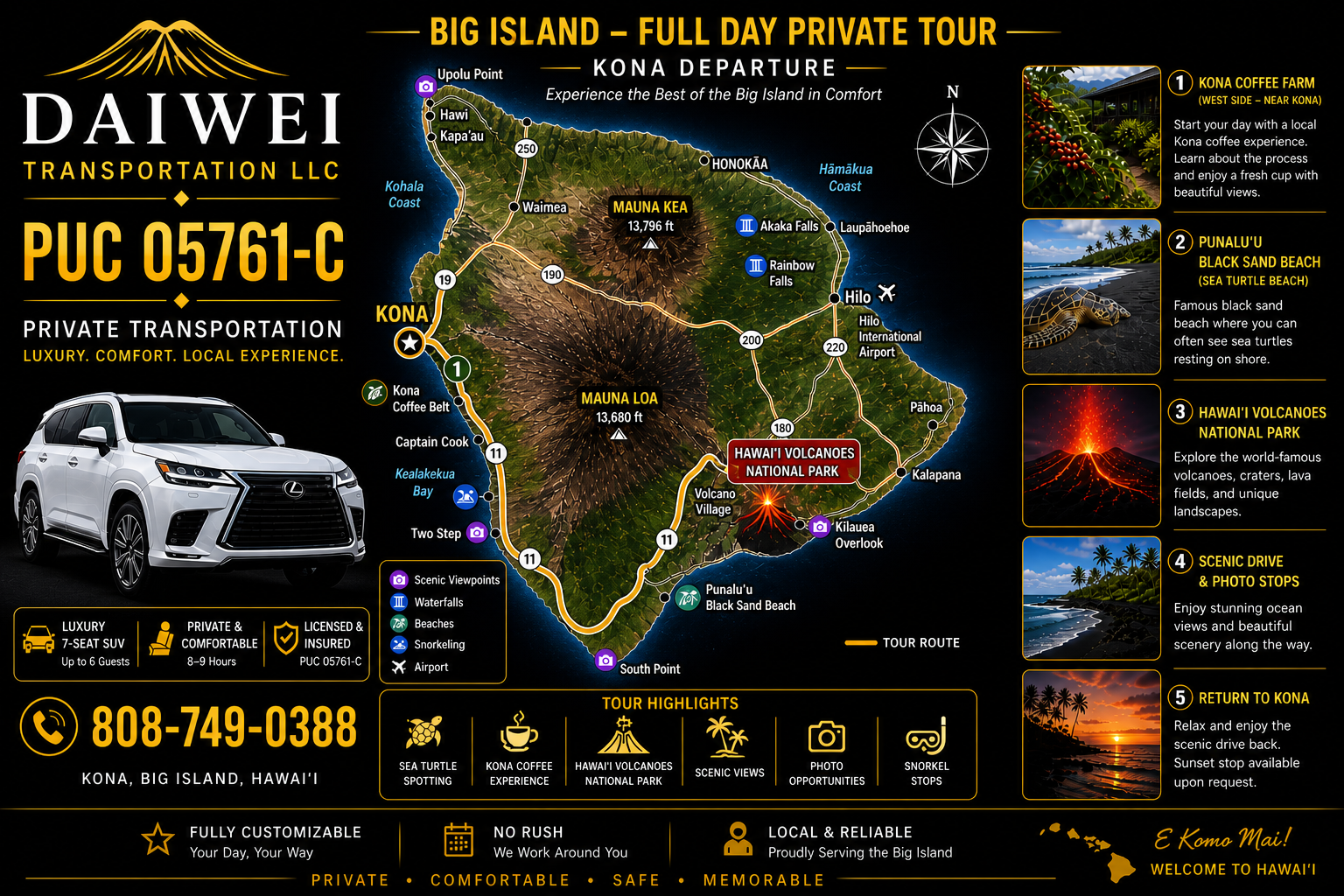
Private Big Island Volcanoes & Beaches Tour from Kona 8 hours Free Cancellation

Private Big Island Volcanoes & Beaches Tour from Kona

Explore Hawaii's volcanic wonders, black sand beaches, and coffee country in a luxury SUV with your own driver

5 (2)
FromFrom $900
See details
What you'll see

What you'll see at Big Island Volcano

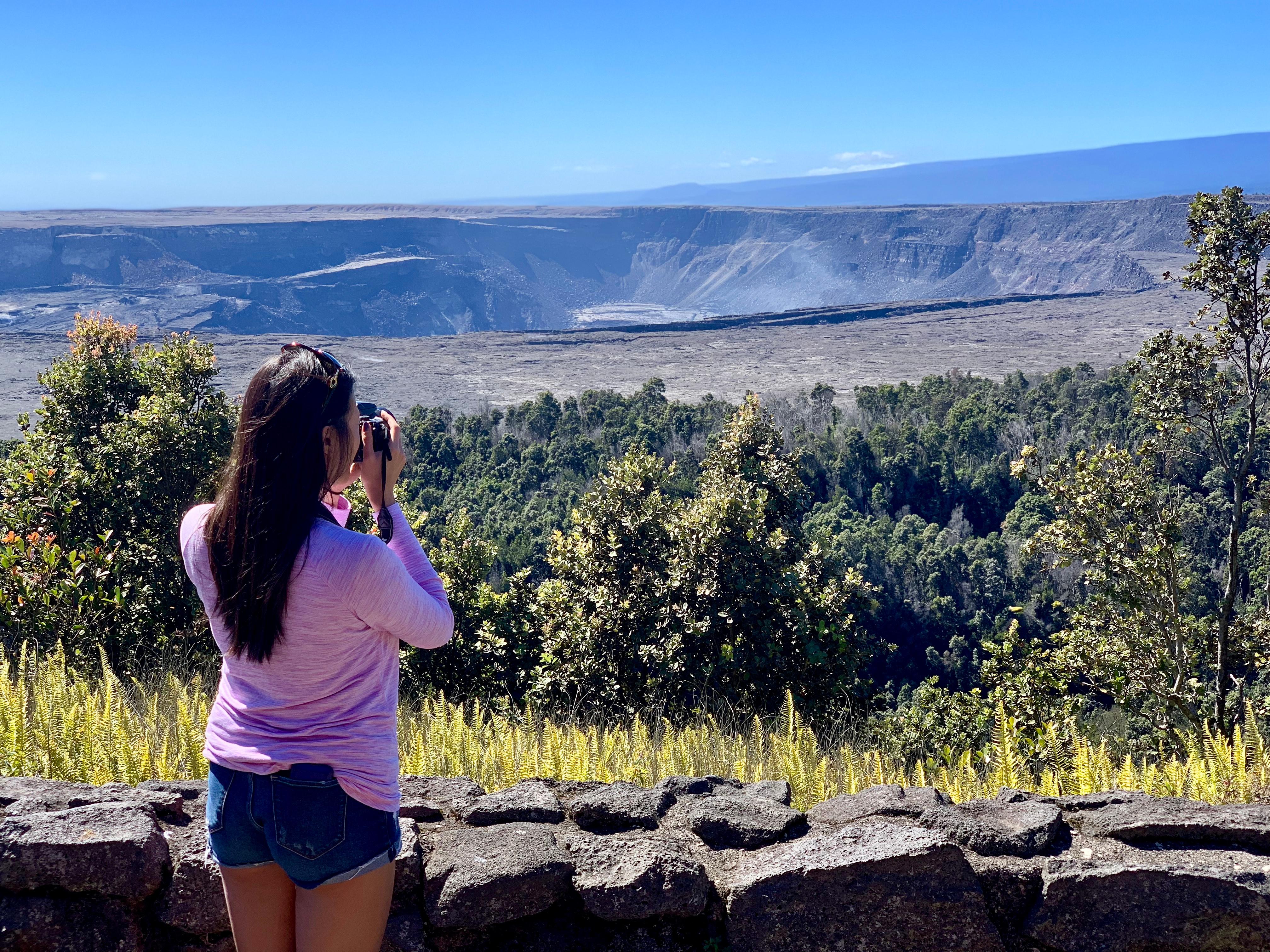
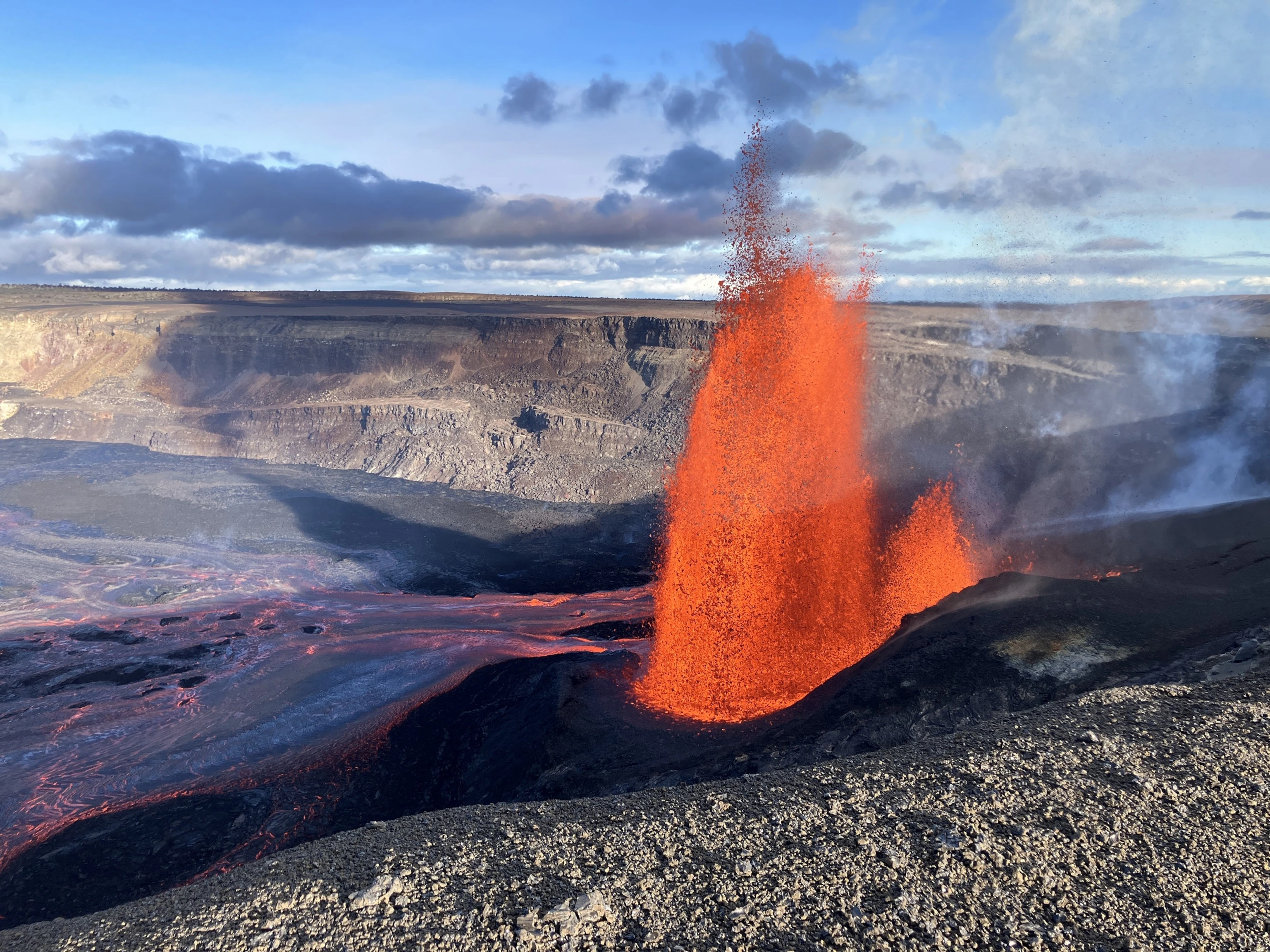
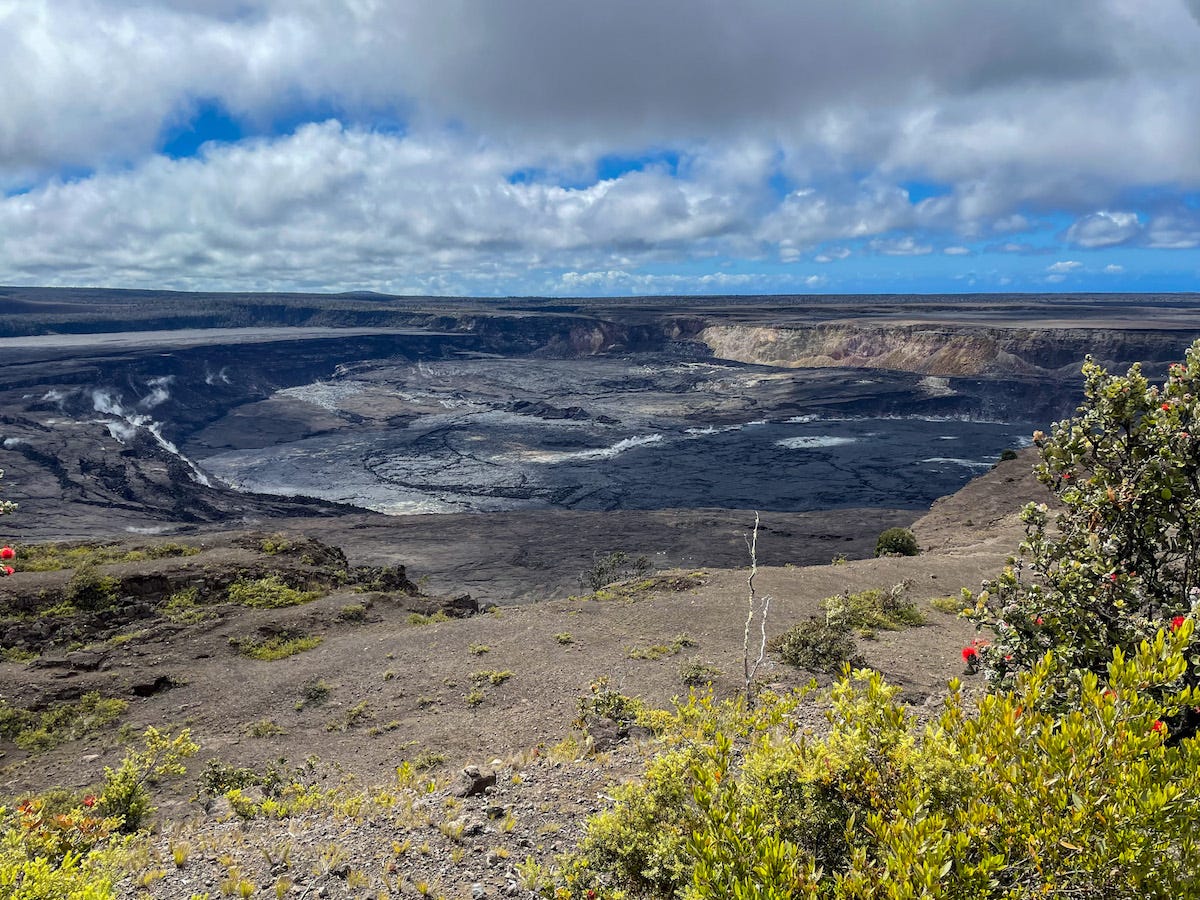
Halemaʻumaʻu Crater

Halemaʻumaʻu Crater

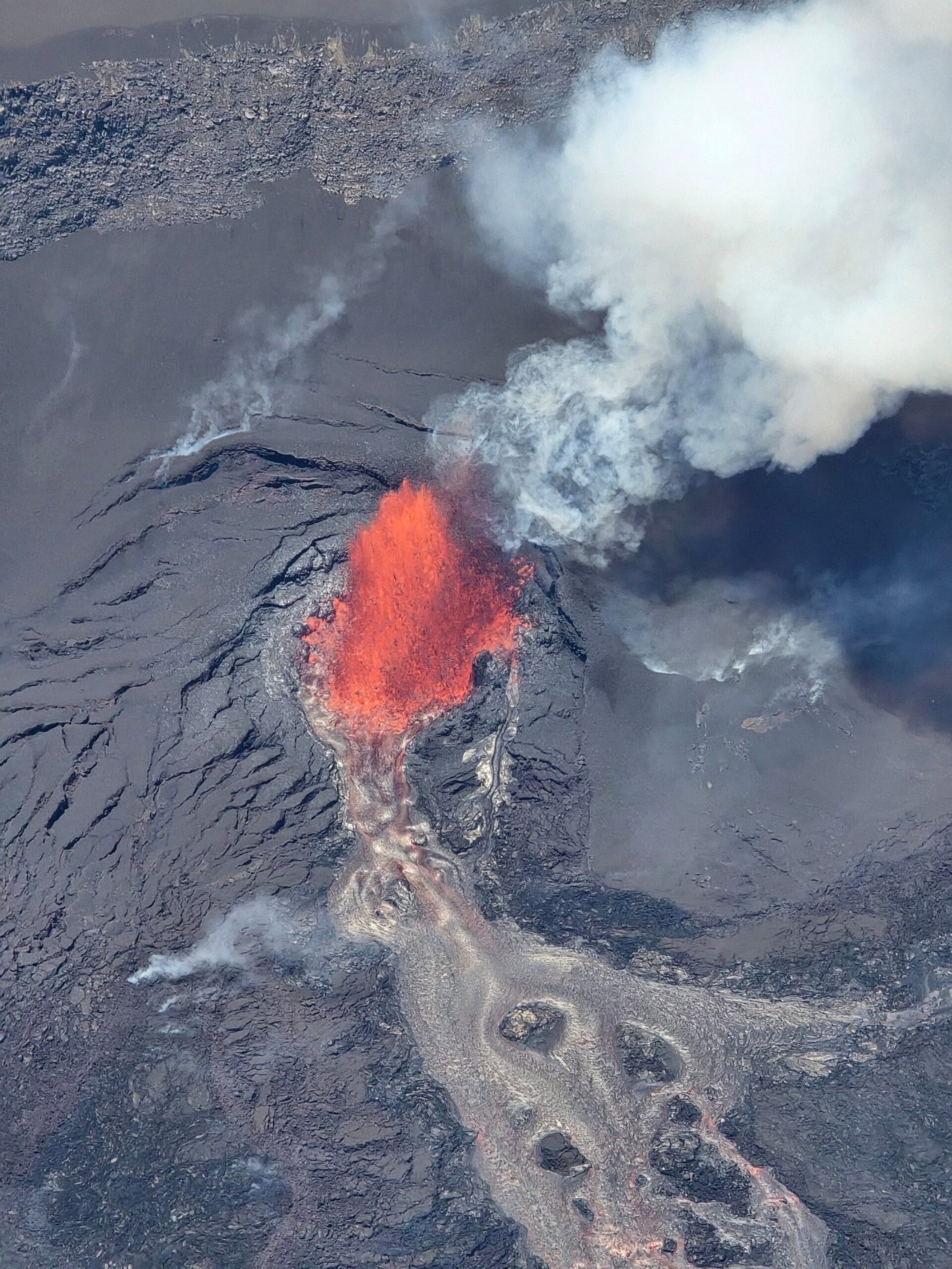
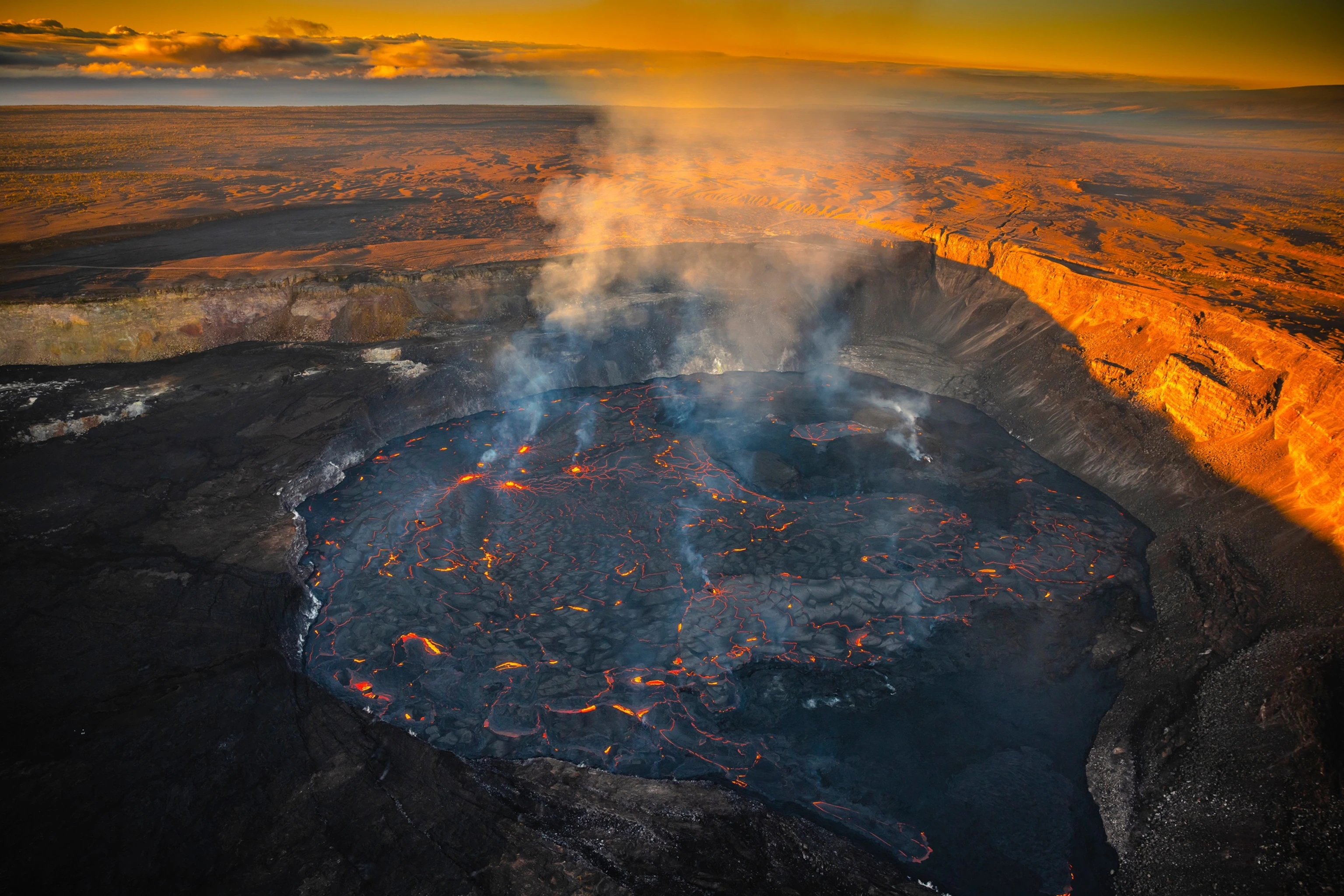
This massive summit crater is the home of the volcano deity Pele and often features an active lava lake. It doubled in size following significant 2018 seismic activity.

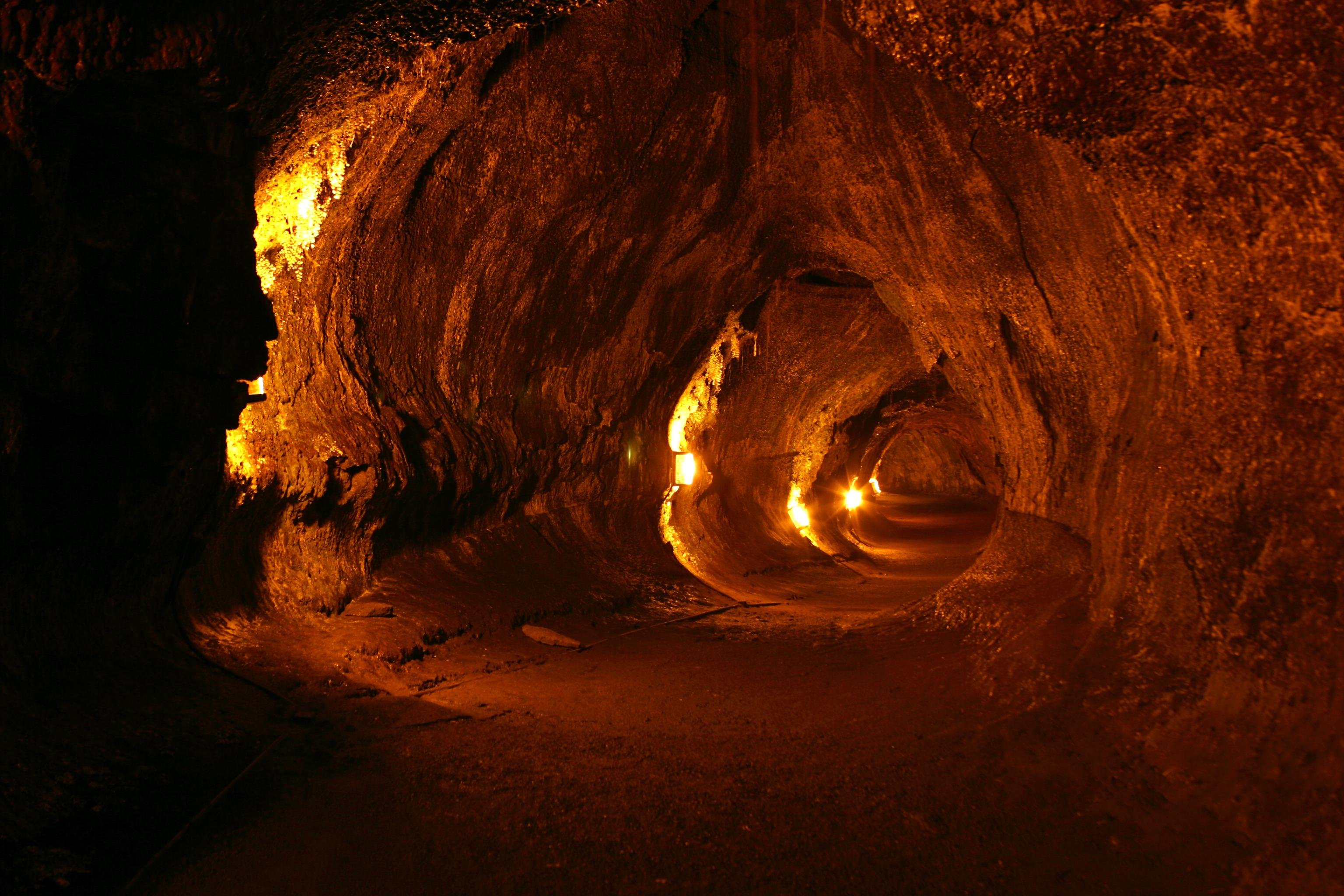
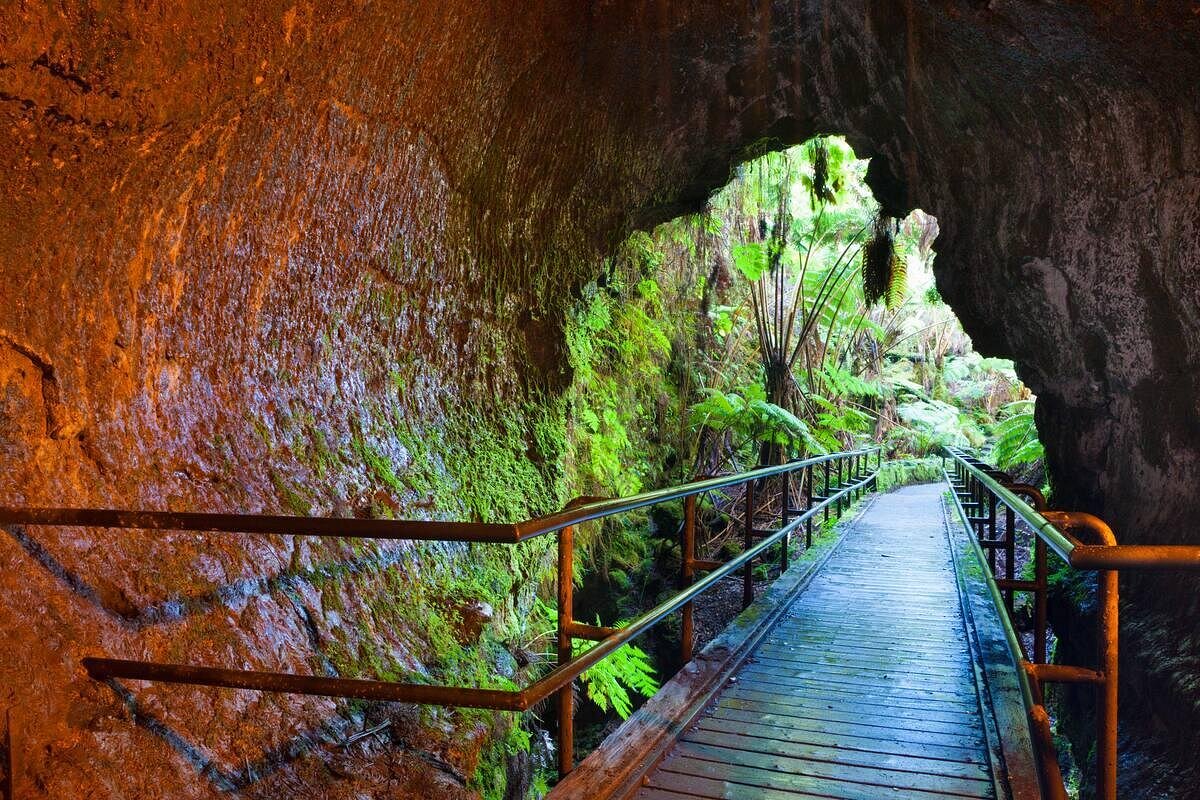
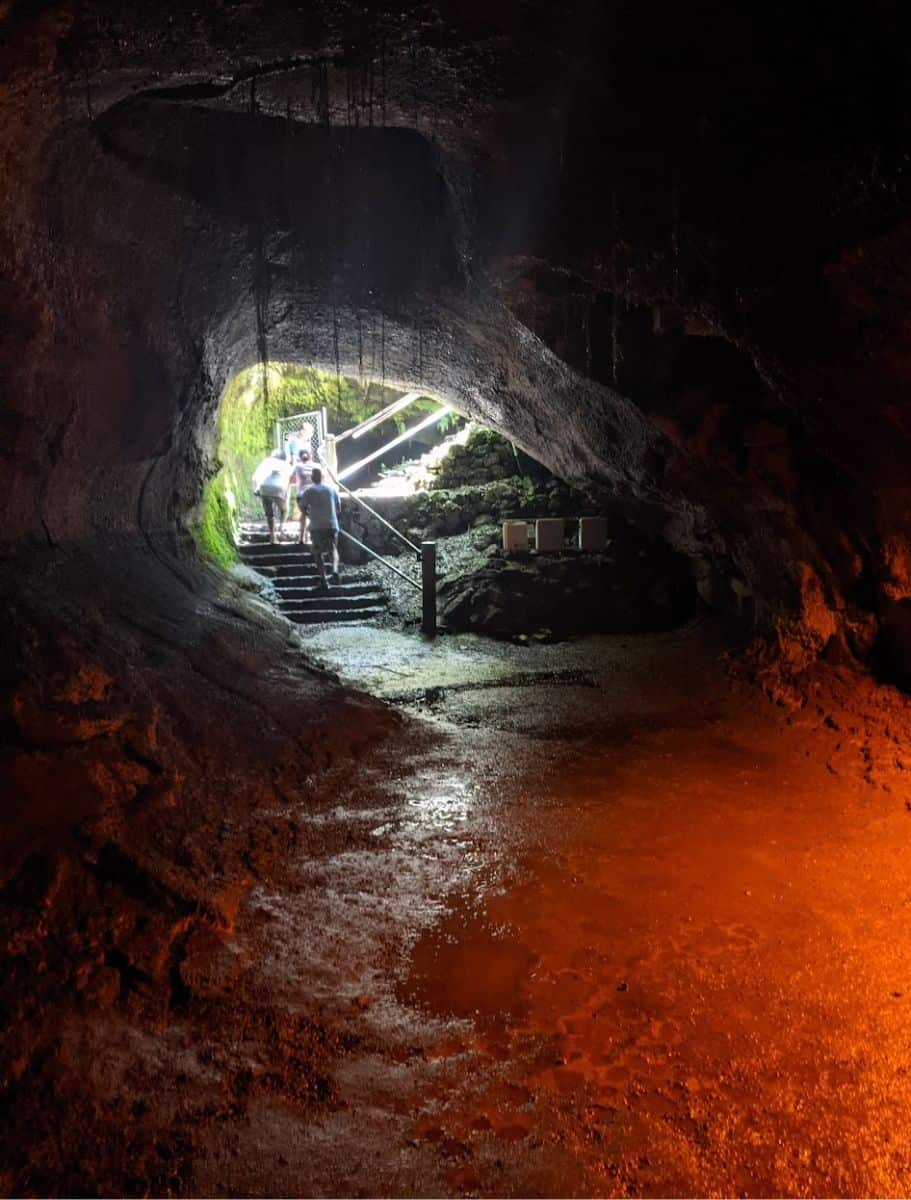
Nāhuku

Nāhuku

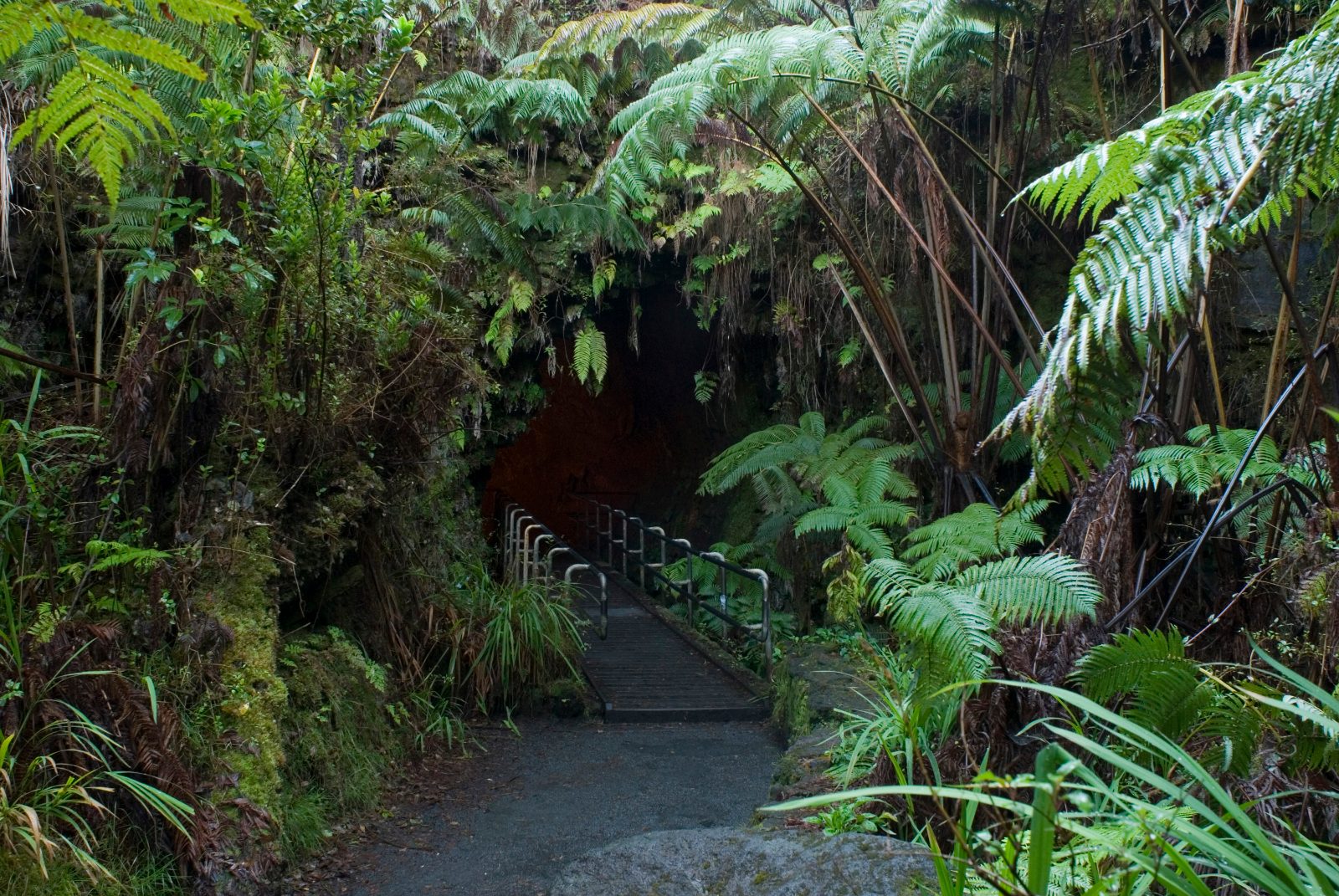
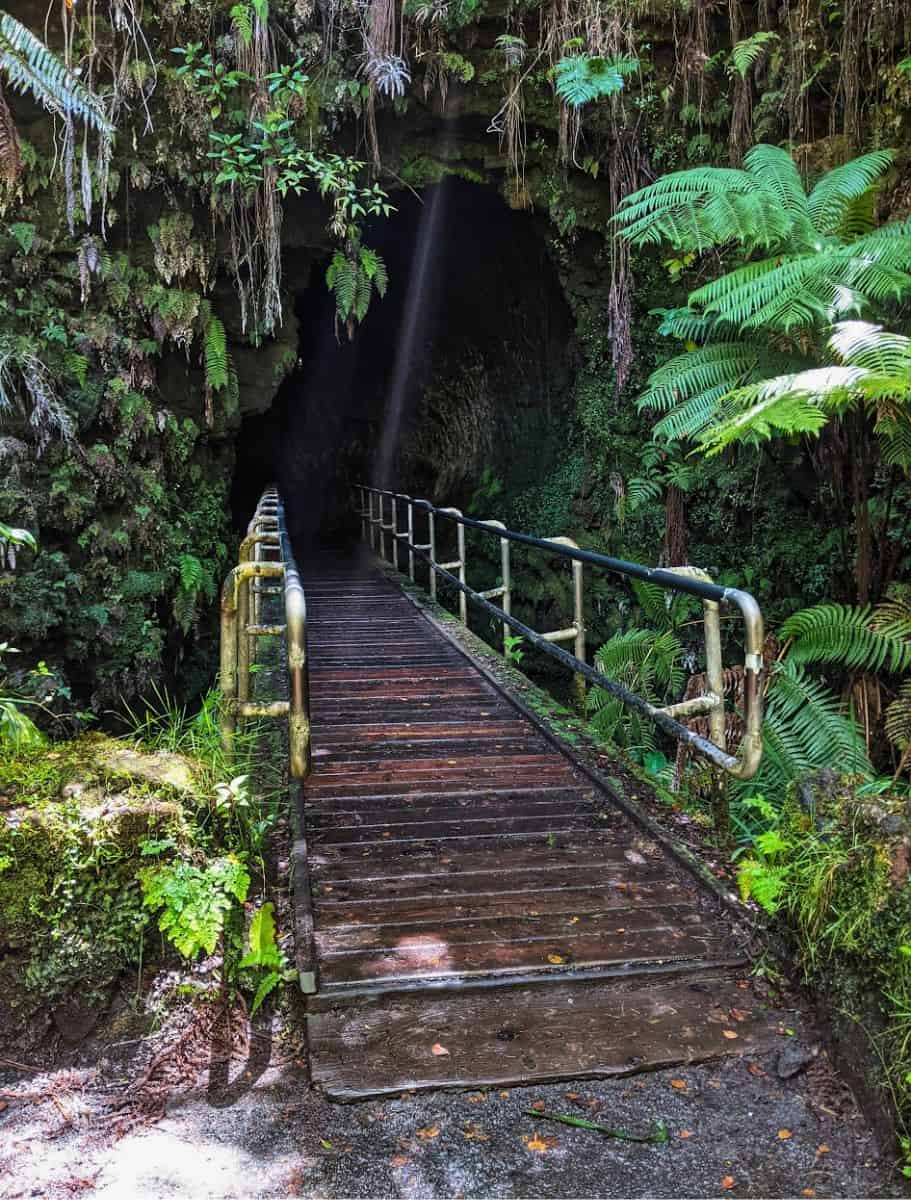
Also known as the Thurston Lava Tube, this 500-year-old formation allows you to walk through a subterranean tunnel carved by molten lava. The surrounding fern forest is lush and ancient.

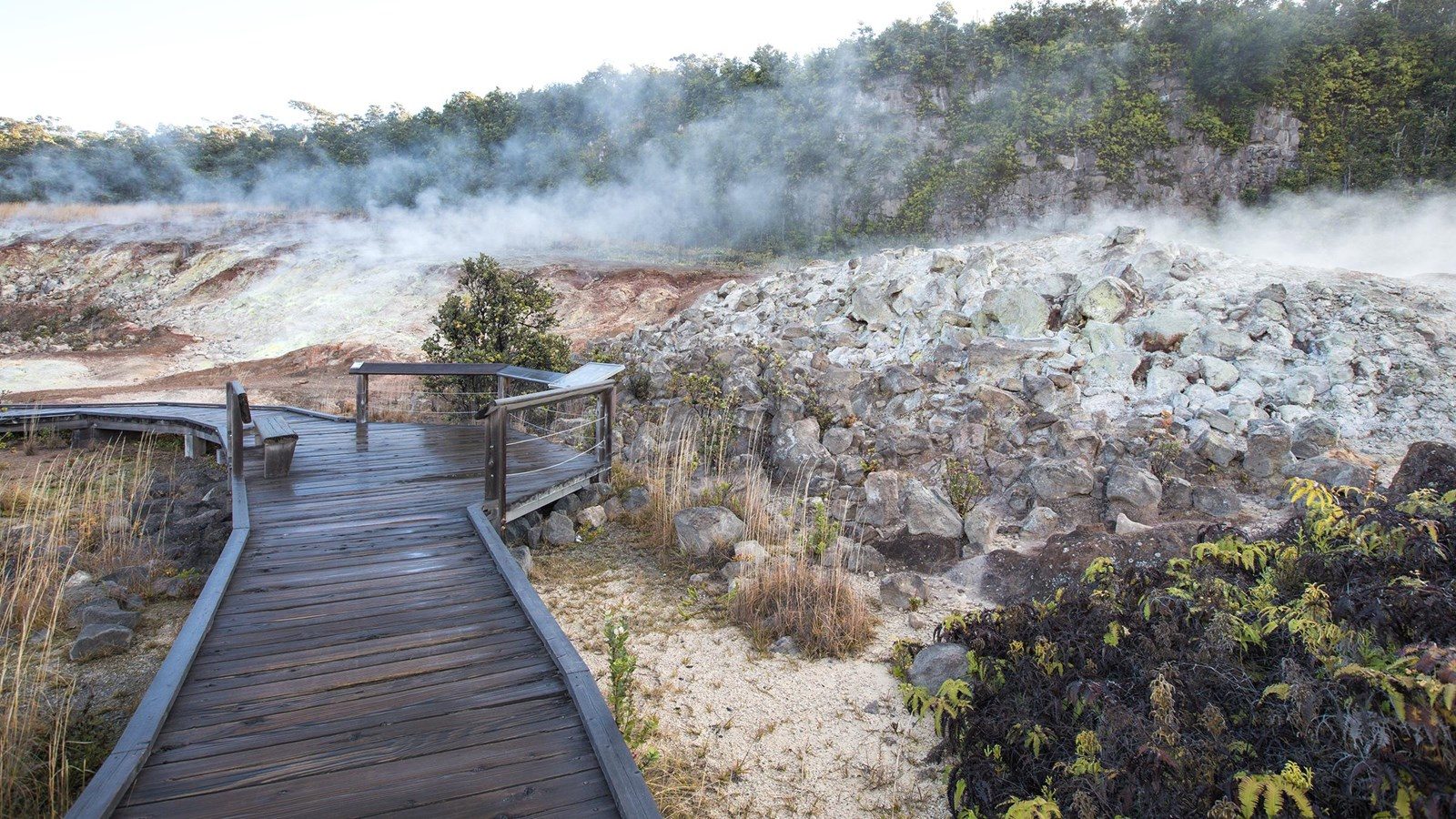
Haʻakulamanu

Haʻakulamanu

These sulphur banks provide a look at volcanic gases escaping from the earth, creating colorful mineral deposits. The short trail showcases the steaming, geothermal nature of the park.

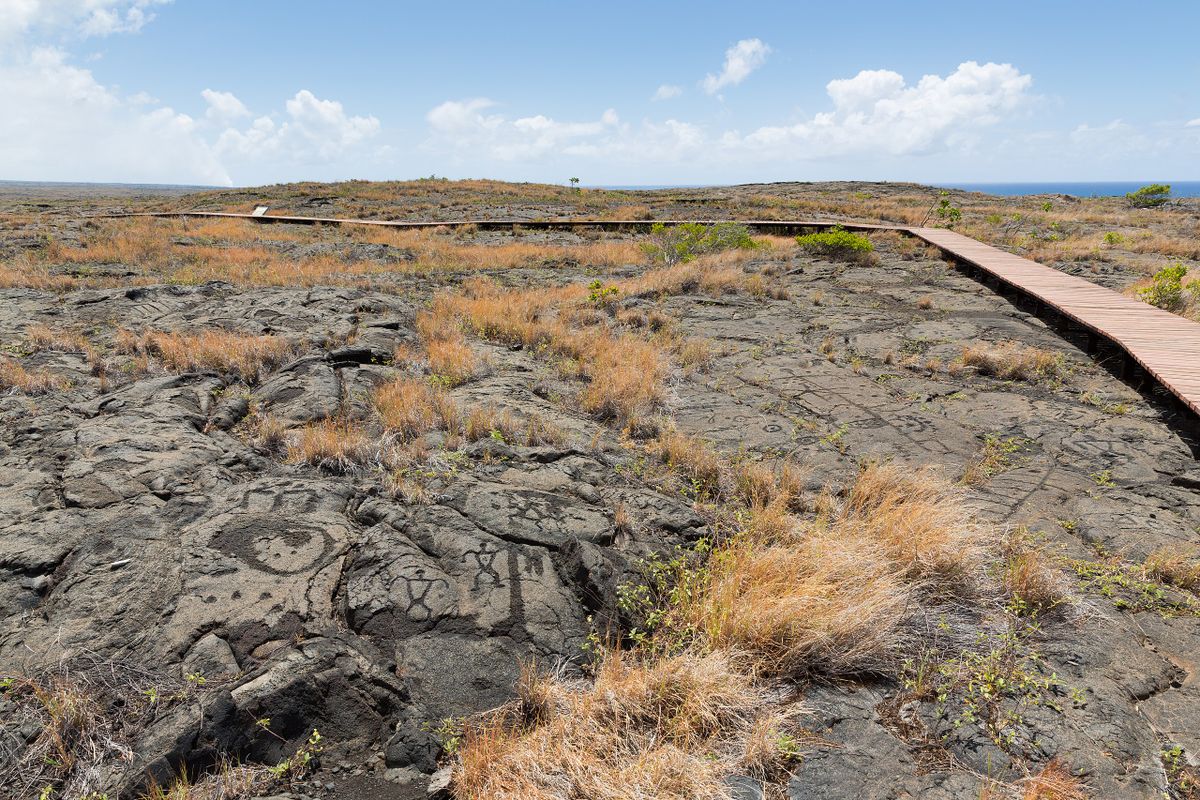
Puʻuloa Petroglyphs

Puʻuloa Petroglyphs

This sacred site features over 23,000 petroglyphs carved into lava rock by Native Hawaiians. It is one of the largest and most significant petroglyph fields in the islands.

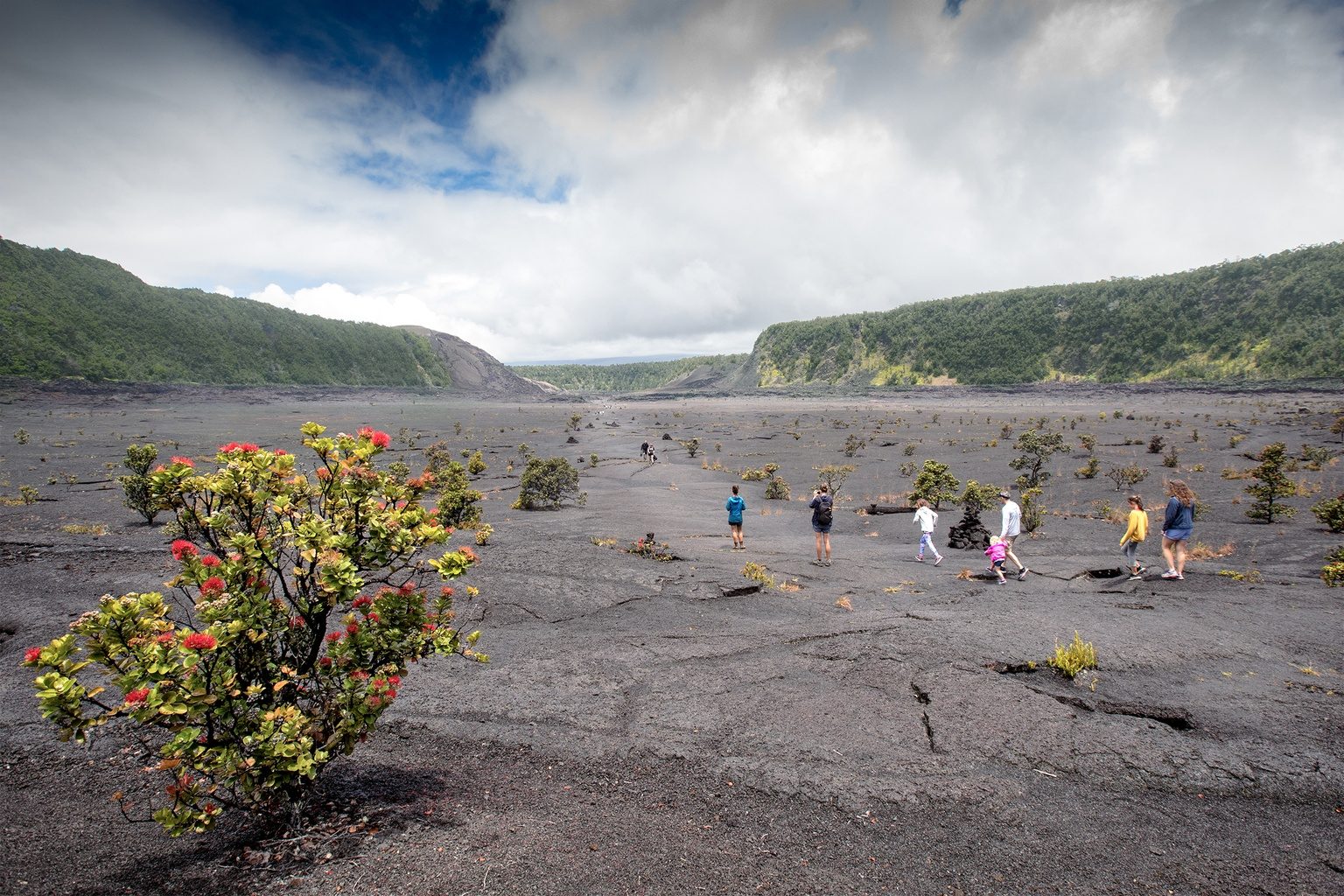
Kīlauea Iki Trail

Kīlauea Iki Trail

This popular 3.3-mile loop takes hikers across the floor of a solidified lava lake. You can see steam vents and evidence of the 1959 eruption that sent lava fountains 1,900 feet high.

The experience

What visiting Big Island Volcano is really like

You enter Hawaii Volcanoes National Park at the main gate on Highway 11, where the road climbs through tree fern forest before breaking into open volcanic plain.

Read more Show less

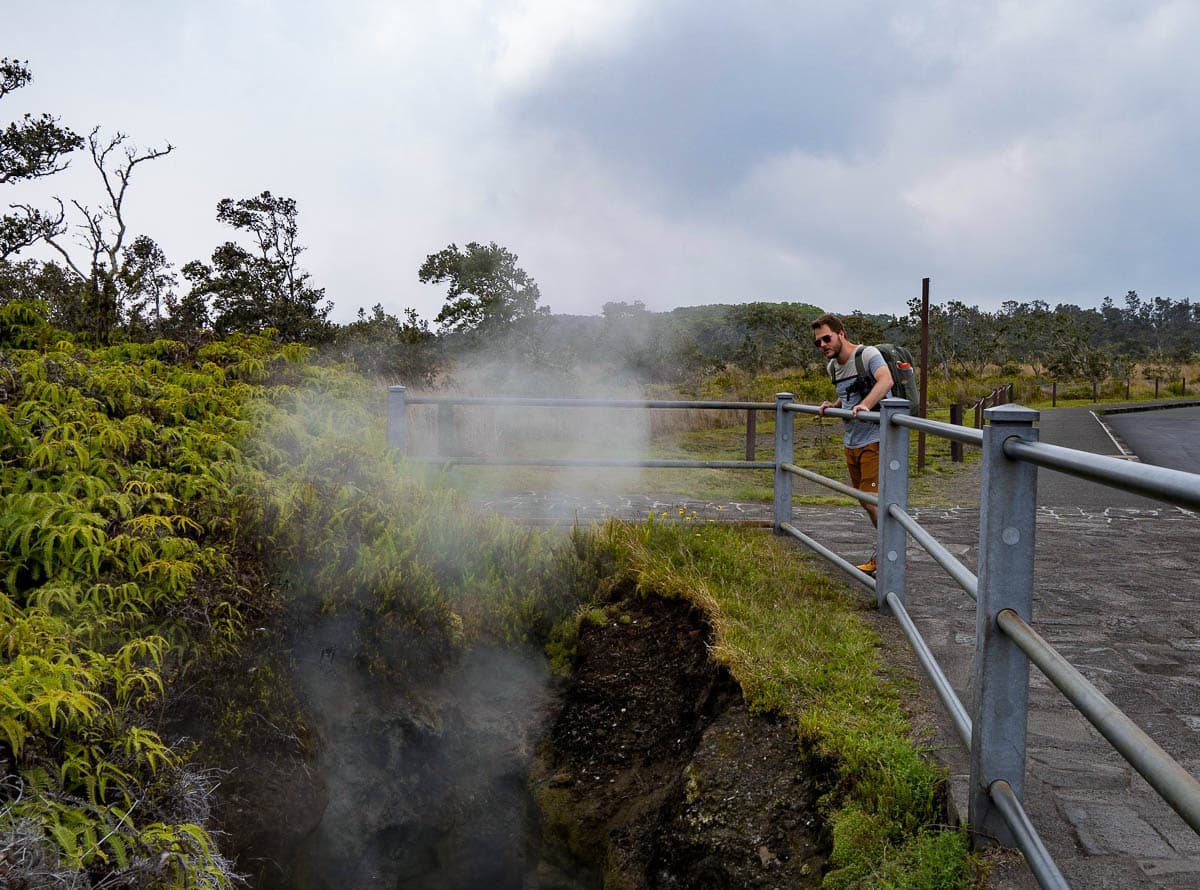
At the Kīlauea Visitor Center, you collect a trail map and confirm the current eruption status — activity shifts weekly, and rangers post updates on lava lake levels and vent accessibility. Your first stop is the Halemaʻumaʻu overlook, where you stand at a metal railing above a crater nearly two miles wide. Steam rises from fissures in the caldera floor, and the air smells faintly of sulfur. You drive Crater Rim Drive to the Steam Vents pullout, where boardwalks cross ground hot enough to evaporate groundwater on contact.

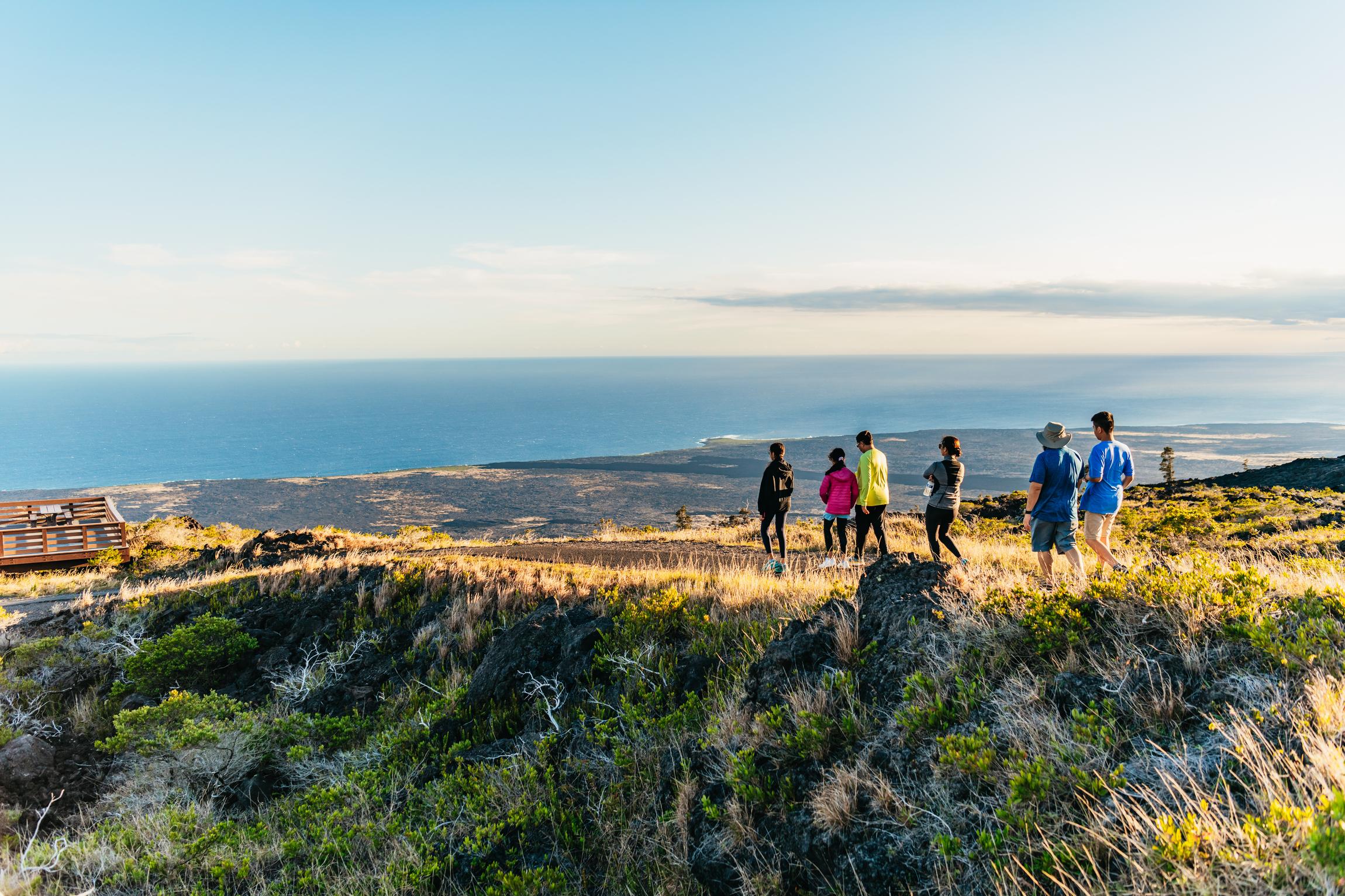
From there, you descend into Thurston Lava Tube, a short walk through rainforest that opens into a cool, echoing tunnel lit by overhead bulbs. The ceiling drips with moisture; ferns cling to cracks in the basalt. Emerging on the far side, you follow the Kīlauea Iki Trail down into a solidified lava lake, crossing a mile of cracked pavement where fumaroles still exhale heat sixty years after the eruption ceased. You return to your vehicle and continue along Chain of Craters Road, a 19-mile descent to the coast where lava flows buried the original route in 2003. The road ends abruptly at a wall of black rock; beyond it, the ocean crashes against the newest Hawaiian shoreline.

Big Island Volcano Tour
Everything You Need to Know

Your complete Big Island Volcano guide

All the details about your upcoming adventure in one place

Big Island Volcano Tour Overview

A big island volcano tour takes you through Hawaii Volcanoes National Park to witness Kīlauea's active craters, steam vents, and lava formations. These volcano tours explore Thurston Lava Tube, Devastation Trail, and the Halemaʻumaʻu summit caldera. Your big island volcano tour tickets include park entry and narrated transport across the volcanic landscape.

Kīlauea has erupted continuously for more than three decades at a stretch, making it one of the world's most active volcanoes and the youngest landmass in the Hawaiian archipelago.

Hawaii Volcanoes National Park, established in 1916, protects 335,259 acres of volcanic terrain that ranges from sea level to the 13,681-foot summit of Mauna Loa. The park's landscape is a study in geologic immediacy: steam vents hiss along fault lines, sulfur deposits crust the caldera rim, and hardened lava fields stretch for miles in ropy pāhoehoe and jagged ʻaʻā formations. Kīlauea's summit caldera collapsed in 2018 during a sequence of explosive eruptions, deepening Halemaʻumaʻu Crater by more than 1,500 feet and reshaping the park's most iconic viewpoint overnight.

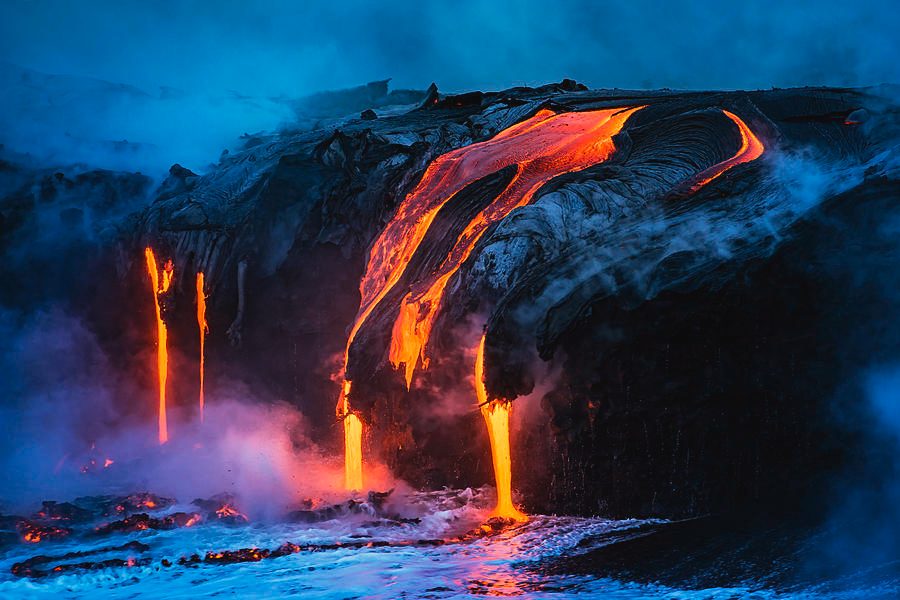
Today, visitors to Hawaii Volcanoes National Park encounter a living laboratory of vulcanology. The Crater Rim Drive, partially reopened after the 2018 events, traces the edge of Kīlauea Caldera and offers overlooks into Halemaʻumaʻu, where a lava lake reappeared in late 2020. The 1.3-mile Devastation Trail crosses a cinder field left by the 1959 Kīlauea Iki eruption, its surface dotted with ʻōhiʻa saplings that pioneered the barren pumice. Thurston Lava Tube — Nāhuku in Hawaiian — is a 500-year-old tunnel formed when molten rock drained from beneath a cooling crust, leaving a cathedral-sized void draped in ferns. Big Island volcano tours depart from Kona and Hilo daily, with helicopter options that circle the East Rift Zone and boat excursions that approach active ocean entries when lava reaches the sea.

The park's significance extends beyond geology. Native Hawaiians regard Kīlauea as the home of Pele, the volcano goddess, and the summit area retains deep cultural resonance. Petroglyphs carved into lava fields along the Chain of Craters Road date to the 15th century, marking trails and boundaries for communities that thrived in this unforgiving terrain. The Jaggar Museum, closed since 2018, once stood at the caldera's edge; its overlook remains the park's most-visited viewpoint at sunrise, when the crater's glow is visible against the dawn sky. Rangers lead guided walks through kipuka — vegetated islands surrounded by lava — where endemic species persist in isolation. The park's dual designation as an International Biosphere Reserve and UNESCO World Heritage Site reflects its role as both a natural and cultural monument. A Big Island volcano tour from Oahu or Maui typically includes inter-island flight coordination and full-day itineraries that cover Kīlauea summit, the coastal lava plains, and the rainforest zones near the Kīlauea Iki overlook.


Kīlauea's summit caldera collapsed in 2018, deepening Halemaʻumaʻu Crater by more than 1,500 feet and reshaping the park's most iconic viewpoint overnight.

Dress code

Wear sturdy, closed-toe walking shoes with grip to navigate uneven lava rock. Bring layers as summit temperatures run 12 to 15 degrees cooler than at sea level.

Bags & security

Day packs are recommended for carrying gear. Stay on marked trails and behind railings, as volcanic ground can be unstable.

Photography

Capture views of Halemaʻumaʻu from designated overlooks. Use caution with equipment near abrasive volcanic ash and Pele hair.

Families & strollers

The park is family-friendly but requires constant supervision due to volcanic hazards. Keep children on marked paths to avoid sharp rocks and unstable terrain.

Accessibility

Kīlauea Visitor Center and various overlooks offer accessible features. Check the official site for specific trail accessibility status.

Food & drink

Concession services are limited inside the park boundaries. Visitors should pack sufficient high-protein snacks and water for the day.

Not allowed

× Unmanned aircraft × Firearms × Meat or fish offerings × Incense × Plastic-wrapped flowers × Loose-herding of stock × Off-trail hiking × Disturbing archaeological sites × Litter × Commercial filming without permit

What to bring

✓ Water (2 liters) ✓ Sturdy boots ✓ Rain jacket ✓ Flashlight ✓ Sunscreen ✓ Hat ✓ First aid kit

Opening hours

Mon 00:00–23:59
Tue 00:00–23:59
Wed 00:00–23:59
Thu 00:00–23:59
Fri 00:00–23:59
Sat 00:00–23:59
Sun 00:00–23:59

How to get there

At a glance

Operating Hours

Open 24 hours daily

Address

1 Crater Rim Drive, Hawaii National Park, HI 96718

Visitor Center

Accessible facilities available

Best arrival

06:00–10:00

Navigation

Use NPS app for park maps

Cancellation policy

Entrance fees are generally non-refundable. Private vehicle entrance fee is 30 USD and remains valid for seven days.

Plan your time

Planning Your Big Island Volcano Tour Duration and Timing

Recommended time

Half a day to full day

A well-planned big island volcano tour typically requires at least four hours to explore the primary caldera and volcanic landscapes. Visitors should allocate more time if they intend to hike the rugged crater trails or investigate the steam vents. By following a smart itinerary, you can navigate the park before the peak visitor rush arrives, ensuring a smoother experience with your big island volcano tour tours.

Crowd levels through the day

06:00–09:00 Light
09:00–12:00 Moderate
12:00–15:00 Heavy
15:00–18:00 Moderate
18:00–21:00 Light
The story

The Centuries-Old Story of Your Big Island Volcano Visit

The volcanic landscape that defines the big island volcano tour began forming over 700,000 years ago as the Pacific Plate drifted across a stationary hotspot deep in the Earth's mantle. Kīlauea emerged as a separate shield volcano approximately 300,000 to 600,000 years ago, while Mauna Loa, the world's largest active volcano, rose to dominate the island's western skyline. Native Hawaiians arrived between 400 and 800 CE, recognizing these peaks as sacred dwelling places of Pele, the volcano goddess. They established communities along the coastline and developed a sophisticated understanding of volcanic activity, weaving eruption cycles into oral histories and spiritual practices. By the early 19th century, Western explorers and missionaries documented the landscape's raw power. Reverend William Ellis led one of the first recorded expeditions to Kīlauea's summit in 1823, describing the lava lake within Halemaʻumaʻu Crater as a "burning lake." The Hawaiian Volcano Observatory, established in 1912 by Thomas Jaggar on the crater's rim, became the world's first dedicated seismological station. Jaggar's work transformed volcanic monitoring from folklore into science, tracking tremors and lava flow patterns with unprecedented precision. Congress designated Hawaii National Park on August 1, 1916, uniting Kīlauea and Mauna Loa under federal protection. The park split in 1961, creating Hawaii Volcanoes National Park as a distinct entity. Kīlauea's nearly continuous eruption from 1983 to 2018 reshaped the landscape, adding 500 acres of new land to the island and destroying over 700 homes. The 2018 collapse of Halemaʻumaʻu Crater doubled its depth and triggered thousands of earthquakes, forcing temporary closures. Today's big island volcano tour tickets grant access to a living geological laboratory, where visitors walk across lava fields that may be younger than they are, following trails that connect ancient Hawaiian pilgrimage routes to modern scientific inquiry.

300,000 BCE

Kīlauea volcano begins forming as the Pacific Plate moves over the Hawaiian hotspot.

400–800 CE

Polynesian settlers arrive and establish communities, honoring Pele as the volcano goddess.

1823

Reverend William Ellis leads the first documented Western expedition to Kīlauea's summit crater.

1912

Thomas Jaggar founds the Hawaiian Volcano Observatory, pioneering modern volcanic monitoring.

August 1, 1916

Congress establishes Hawaii National Park, protecting Kīlauea and Mauna Loa.

1961

Hawaii Volcanoes National Park separates as an independent unit from Haleakalā.

1983–2018

Kīlauea erupts continuously for 35 years, creating 500 acres of new land.

May 2018

Halemaʻumaʻu Crater collapses, doubling in depth and triggering over 60,000 earthquakes.

Photo spots

Key Locations for Your Big Island Volcano Tour Photography

Kilauea Overlook

Kilauea Overlook

Best light · Golden hour

Position your tripod along the concrete railing for a sweeping panorama of the caldera floor. This serves as the primary vantage point for your big island volcano tour experience.

Steam Vents

Steam Vents

Best light · Early morning

Capture the dense white plumes rising from the earth against the backdrop of the surrounding forest. Stand on the paved path near the parking area to frame the juxtaposition of volcanic activity and greenery.

Thurston Lava Tube

Thurston Lava Tube

Best light · Before 09:00

Photograph the lush, fern-draped entrance of this subterranean tunnel. Use a wide-angle lens to capture the contrast between the dark interior and the bright jungle light for your big island volcano tour tours.

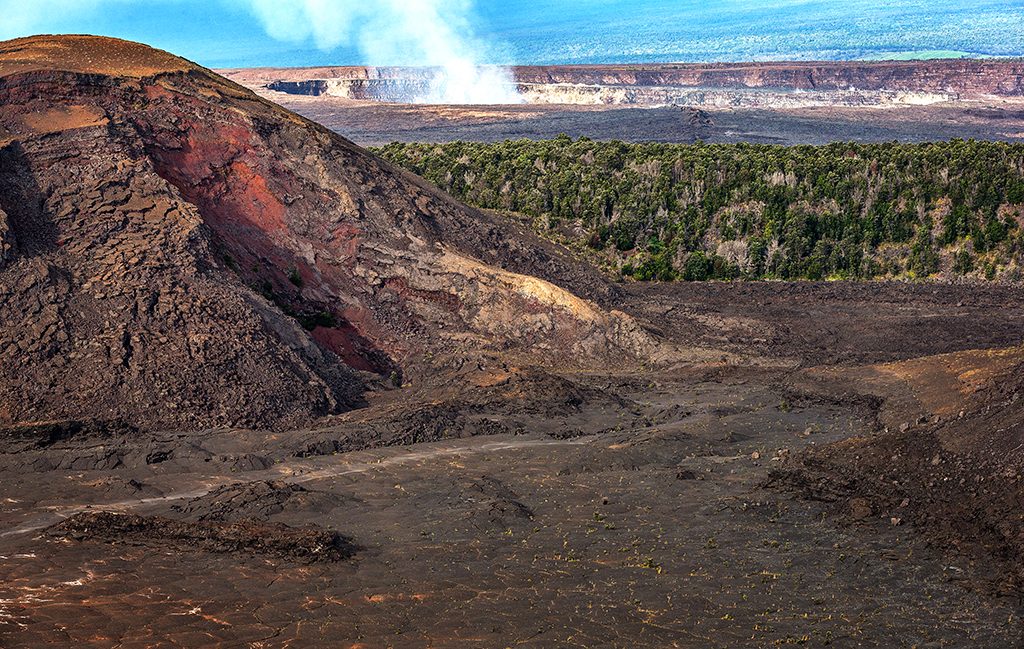
Pu'u Pua'i Overlook

Pu'u Pua'i Overlook

Best light · Late afternoon

This spot offers a high-elevation perspective of the Kilauea Iki crater landscape. Utilize the wooden viewing platform to compose wide shots of the desolate volcanic terrain for your big island volcano tour tour.

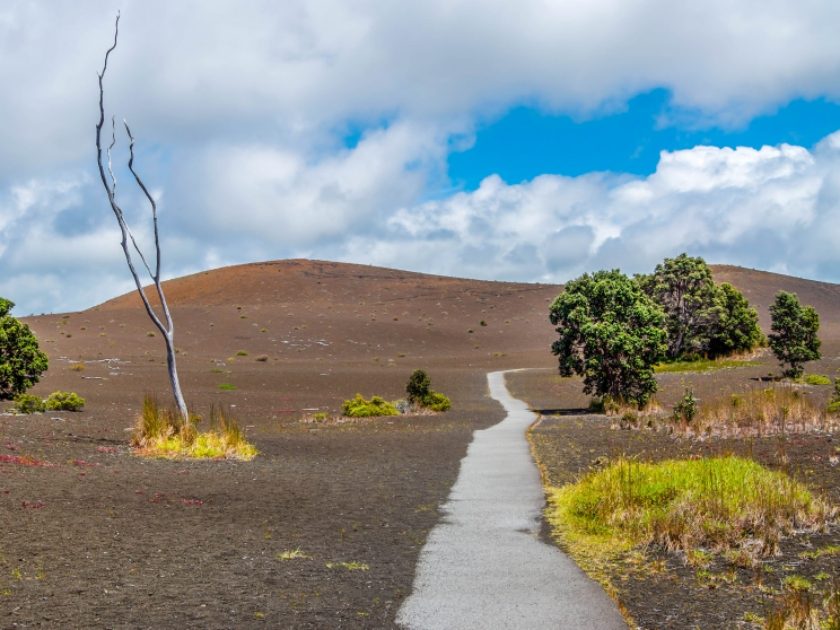
Devastation Trail

Devastation Trail

Best light · Mid-morning

Walk along the accessible path to frame the skeletal remains of ohi'a trees set against vast fields of hardened lava. This provides a stark, minimalist composition perfect for your big island volcano tour tickets.

Gallery

Moments from Big Island Volcano

Food & drink

Where to Eat During Your Big Island Volcano Tour

Dining options near your big island volcano tour are limited, so visitors often choose between the historic lodge inside the park or local eateries in Volcano Village. Whether securing big island volcano tour tickets or planning your arrival, these venues provide essential sustenance after exploring the caldera and sulfur banks.

The Rim Restaurant

$$$

Bistro — On-site

Located inside The Lodge at Volcano, this venue offers expansive views of the crater. It is ideal for a sit-down meal, though reservations are recommended for dinner to ensure you do not miss your big island volcano tour tour window.

Customer Reviews

What travelers say about Big Island Volcano

Real experiences from real travelers

4.5
Based on 2,400 reviews
1 ★ 980
2 ★ 820
3 ★ 1500
4 ★ 4100
5 ★ 18200
S
Sarah K.
United States · 2026-08-12

Best geological experience

We joined a big island volcano tour in early August and witnessed active steam vents at Kilauea summit. The boardwalks offer safe viewing of Halema'uma'u crater while ranger talks explained the 2018 eruption's impact. Bring layers since temperatures drop near the caldera.

M
Marcus T.
Germany · 2026-07-03

Outstanding natural wonder

Hawaii Volcanoes National Park exceeded expectations with its diverse volcanic landscapes. The Chain of Craters Road descends through multiple climate zones to the coast. Thurston Lava Tube provides a cool respite from the sun and the native fern forest surrounding it is pristine.

Y
Yuki M.
Japan · 2026-06-18

Comprehensive volcano experience

Our guided tour covered Kilauea Iki Trail where we walked across a solidified lava lake from 1959. Steam vents along the crater rim were actively releasing sulfur dioxide. The park's scale requires a full day to appreciate properly.

L
Liam R.
Australia · 2026-05-22

Impressive but plan carefully

The big island volcano tour routes require good walking shoes and sun protection. We hiked to Mauna Ulu overlook which offered views of older lava flows. Visitor center exhibits provided helpful geological context before exploring the park. Some trails were closed due to volcanic gas levels.

E
Elena P.
Spain · 2026-04-15

Unforgettable landscape

Driving through the park felt like visiting another planet with black lava fields stretching to the horizon. Devastation Trail's boardwalk crosses an area buried by cinder from Kilauea Iki's 1959 eruption. Native ohia trees are slowly reclaiming the terrain.

C
Chen W.
China · 2026-03-28

Active volcanism up close

The big island volcano tours provide access to one of the world's most active volcanic systems. We observed glowing vents at twilight from Steaming Bluff overlook. Rangers monitor conditions daily and adjust trail access based on sulfur dioxide readings.

P
Priya N.
India · 2026-02-11

Geological marvel

Hawaii Volcanoes National Park preserves both shield volcano formation and recent eruptive history. The Kilauea summit area shows dramatic changes from the 2018 collapse events. Jaggar Museum's seismographs displayed real-time earthquake activity beneath our feet.

T
Thomas B.
Canada · 2026-01-19

Must-visit natural site

We drove the full Chain of Craters Road to see petroglyphs and coastal lava flows. The big island volcano tour covered Thurston Lava Tube and Kilauea Iki overlook in one morning. Afternoon light enhanced the red and orange tones in oxidized volcanic rock.

F
Fatima A.
United Arab Emirates · 2025-11-07

Powerful natural forces

Visiting during late autumn meant fewer crowds on the trails. Steam plumes from the caldera were visible from miles away across the Ka'u Desert. The park demonstrates how Hawaiian Islands formed through volcanic activity over millions of years.

O
Oscar L.
Brazil · 2025-09-14

World-class volcano park

Our big island volcano tour guide explained how Pele's hair forms when lava fountains eject molten strands into the air. We walked portions of the Crater Rim Trail before sulfur dioxide concentrations closed sections. The scale of Kilauea's eruptive power becomes clear when standing at the summit.

FAQ

Big Island Volcano — frequently asked questions

Everything you need to know for your journey

Ready for Adventure?

Join thousands of happy travelers who have discovered this incredible experience

Book Your Experience Now